
Wheat Ridge is a long-established community where mid-century houses, larger corner lots, and commercial strips run along roads like Wadsworth Boulevard and 38th Avenue. The area’s mature cottonwoods, blue spruces, and flowering ornamentals often grow close to buildings, fences, and overhead utilities. The tree care professionals in Thornton serving this region know how to evaluate aging canopy hazards, address root pressure near older foundations, and trim back branches that threaten access during Front Range wind and storm events.
That is why so many property owners in Wheat Ridge, CO, turn to Arbor Tree Care for dependable year-round maintenance.
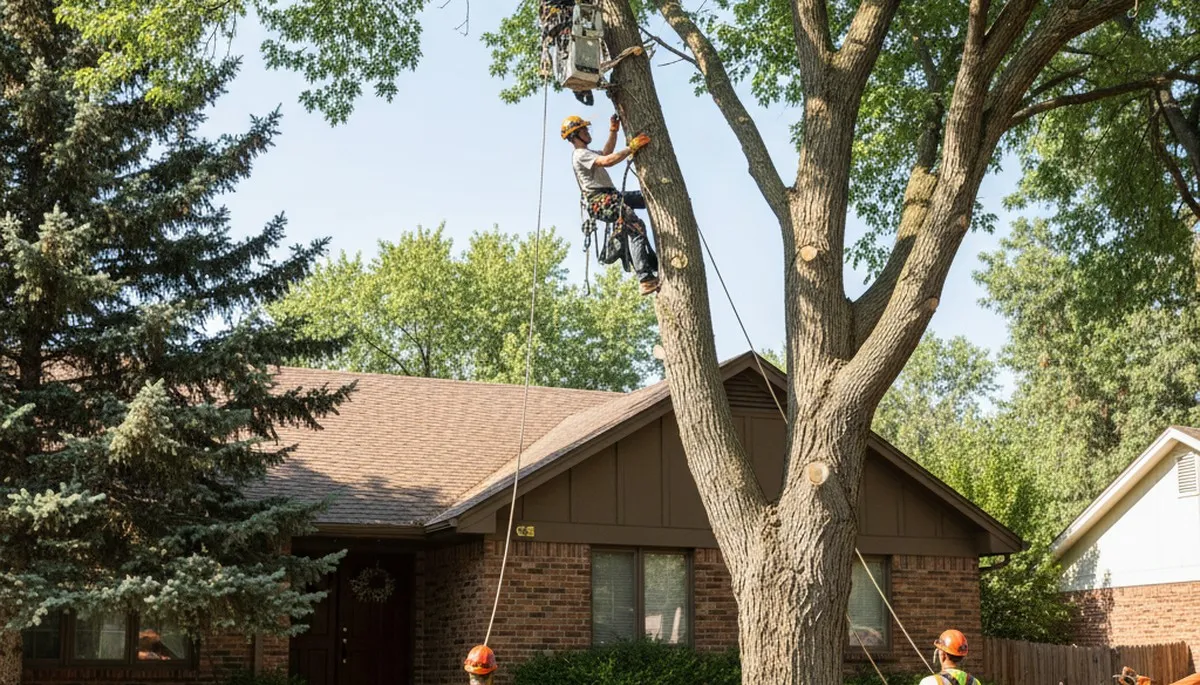
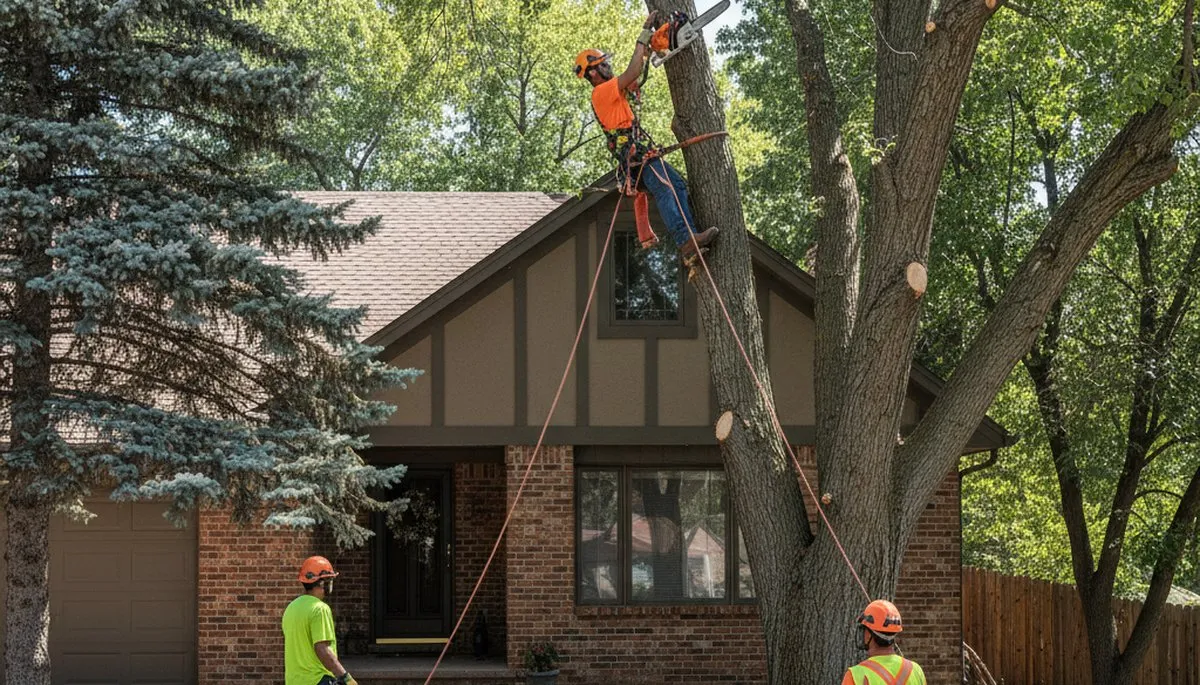

Prefer to Talk to An Expert?
(303) 625-6875
Why Wheat Ridge Property Owners Trust Local Professionals to Get It Right
Because they work in the area every day, these professionals understand the dense tree cover, mixed lot layouts, and aging infrastructure that shape service needs in Wheat Ridge. Every job is matched with the right equipment and method for local conditions, including root intrusion, canopy crowding, and storm-related damage common across this part of the metro.
From crown reduction near older bungalows on Depew Street to reliable stump removal solutions in yards near Prospect Park, each project is completed with careful planning and dependable results.
If you care about your property, local contractors can help keep your landscape healthy, stable, and safe in Wheat Ridge.
Our Tree-Service Services
in Thornton, CO, Include
A Service Area Designed to Fit Your Wheat Ridge Neighborhood
Wheat Ridge neighborhoods have mature trees, tight access, and varied lot sizes, so tree care here needs more than a generic approach. Local professionals tailor their work to each property, whether the site is a narrow city parcel or a larger corner lot.
It makes no difference whether the property is a mid-century ranch in Paramount Heights, a commercial site on Kipling Street, or a newer townhome near the Clear Creek corridor.
From tree trimming and tree pruning to stump removal and emergency tree services, services are adapted to the neighborhood’s character and each property’s specific needs.
Wheat Ridge's Deep-Rooted Urban Canopy, Shaped by History
Wheat Ridge began as one of Jefferson County's early agricultural communities, and many residential streets were planted with large shade trees decades ago. That history is still visible today in the aging root systems, old structural unions, and wide canopy spread that influence how tree work must be handled here.
Aging Tree Canopy and Structural Risk
Many Wheat Ridge properties, especially in Panorama Park and Bel Aire, feature cottonwoods and silver maples that have grown far beyond a manageable size without regular care. The result can be co-dominant stem failure and heavy limb drop, which creates hazards over roofs, driveways, and walkways.
Local professionals reduce this risk with crown reduction, selective limb removal, and deadwood cleanup, helping limit long-term access issues and lowering property-owner liability.
Root Encroachment Near Older Infrastructure
The neighborhood’s mature trees provide shade and curb appeal, but they can also create root-related problems. Aggressive root systems from cottonwoods and elms may lift sidewalks and affect older clay sewer lines beneath residential lots.
Professionals address these conditions through root zone evaluation, removal of high-risk trees when needed, and expert root protection solutions designed around existing utility corridors and older underground infrastructure under Wheat Ridge streets.
Drought Stress and Soil Compaction
Dry Front Range summers and compacted urban soils have left many Wheat Ridge trees under stress, making it harder for them to maintain healthy canopy growth and resist pests or disease.
Trusted pros support these trees with deep root fertilization, soil aeration, and targeted tree fertilizing programs, which can strengthen long-term vitality and reduce stress-related decline.
Front Range Storm Damage and Wind Events
Seasonal weather across the Denver metro brings strong spring winds and occasional hail, both of which can break limbs, split bark, and cause full canopy failure on Wheat Ridge properties.
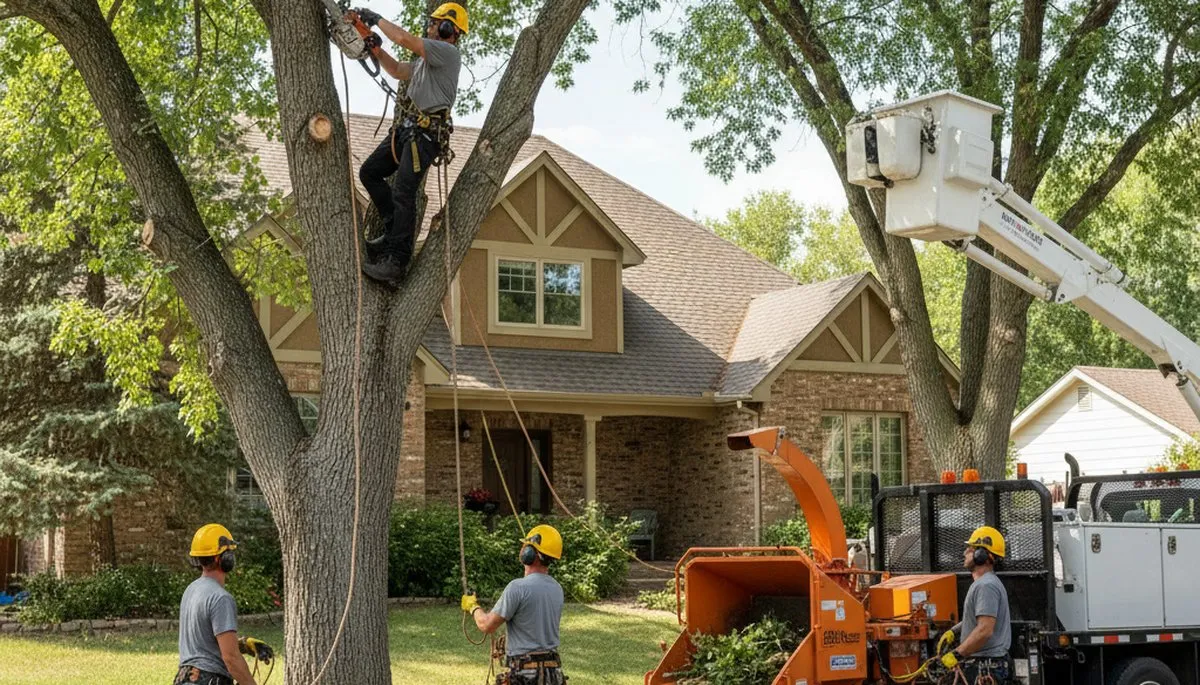
Experienced crews respond quickly with aerial lifts, climbing methods, and organized debris removal so properties stay accessible even after multiple trees are damaged at once.
Constrained Access on Narrow Residential Lots
Tight side yards and limited setbacks are common in Wheat Ridge, which makes equipment access and safe tree removal more difficult. Local pros rely on compact lifts and rigging systems, with property protection and crew safety as top priorities, to deliver tree care that works for everything from small urban lots to larger corner parcels along 32nd Avenue. For ideas on keeping your Wheat Ridge property maintained throughout the year, request a free quote from a local professional in Wheat Ridge by calling (303) 625-6875. Every property should stay safe and accessible. Let Arbor Tree Care help make that happen.
Kick off your tree service project today!

Tree Services in Wheat Ridge, CO: Care for Every Season
From routine trimming to urgent storm cleanup, here is how local pros help keep properties healthy, stable, and free of hazards:
Routine Tree Trimming and Pruning in Wheat Ridge, CO
- Crown Thinning for Mature Cottonwoods: Opening up dense interior growth on large cottonwoods along Depew Street and Fenton Street improves wind flow and helps lower the chance of storm-related limb drop on residential properties.
- Structural Pruning for Young Trees: Early pruning for newly planted maples and ornamental pears near Paramount Heights helps establish strong branch structure before problems take hold.
- Clearance Trimming Near Structures: Removing branches that reach roofs, gutters, and utility lines along the 38th Avenue corridor helps reduce moisture intrusion and keeps properties compliant.
- Seasonal Pruning Cycles: Dormant-season pruning for oaks and elms in Wheat Ridge helps reduce disease spread, especially for Dutch elm disease and oak wilt, both of which remain concerns in Jefferson County’s urban forest. Crews working across the broader metro, including those handling tree trimming services in Arvada, CO, follow similar dormant-season practices for Front Range canopy conditions.
- Ornamental Tree Shaping: Flowering crabapples and redbuds near Prospect Park and Anderson Park benefit from annual shaping that supports their form and encourages healthy seasonal bloom cycles.
Plan routine trimming before spring growth begins so trees enter the season with less weight and better structure.
Tree Removal Services in Wheat Ridge, CO
- Hazardous Tree Removal: Dead or structurally weak cottonwoods and silver maples near homes along Kipling Street are evaluated for urgent removal before a falling limb causes injury or damage.
- Storm-Damaged Tree Removal: After Front Range hail or wind, crews remove split trunks, uprooted root balls, and hanging branches from homes and business lots across Wheat Ridge.
- Dead Tree Removal in Tight Spaces: Taking out dead elms and declining blue spruces from narrow side yards and fenced rear lots requires rigging and sectional removal to protect nearby structures and landscaping.
- Multi-Stem and Leaning Tree Removal: Trees that lean toward buildings or show co-dominant stems with bark inclusion are often removed before seasonal wind puts them under more stress. Comparable challenges are handled for properties needing tree removal contractors in Golden, CO, where mature trees and limited access create similar conditions.
- Post-Construction Tree Removal: Building and renovation work near the 44th Avenue commercial zone sometimes leads to removal when grading, trenching, or root disturbance has compromised a tree.
Prompt removal of declining or hazardous trees protects structures, reduces liability, and creates space for healthier replacement plantings.
Stump Grinding and Cleanup in Wheat Ridge, CO
- Below-Grade Stump Grinding: After tree removal, grinding stumps a few inches below grade removes tripping hazards and prepares the area for lawn repair or replanting across Wheat Ridge residential lots.
- Root Flare Cleanup: Removing exposed root flares from large cottonwoods and silver maples helps protect sidewalks, driveways, and lawn equipment from ongoing damage.
- Multiple Stump Clearance: Properties near Prospect Park and Panorama Park with several older stumps from earlier removals can benefit from batch grinding that restores usable yard space efficiently.
- Debris Hauling and Site Cleanup: Removing chips and debris after grinding leaves the property tidy and ready for landscaping or turf restoration without leftover wood waste.
- Stump Treatment for Resprouting Species: Cottonwood and elm stumps often resprout after removal. Professionals use appropriate treatments to reduce regrowth and avoid repeated maintenance on the same site.
Stump grinding clears usable outdoor space and helps limit the pest and disease risks that decaying wood can bring to surrounding trees and turf.
Emergency Tree Services in Wheat Ridge, CO
- Storm Response and Fallen Tree Clearing: When windstorms or heavy spring snow bring down trees in Wheat Ridge, crews move quickly to clear driveways, streets, and rooftops while checking remaining trees for damage.
- Hanging Limb Removal: Partially broken limbs left in the canopy after a storm are dangerous because they can fall without warning. Emergency crews use aerial equipment and rigging to remove these hazards safely.
- Emergency Root Zone Assessment: If a tree near a structure suddenly leans or the soil heaves after heavy rain or saturation, rapid assessment helps determine whether stabilization or removal is the safer option.
- Post-Storm Structural Evaluation: After major weather events, professionals inspect affected Wheat Ridge blocks to find compromised trees that may not look damaged but still carry a high risk of failure in the next storm.
- 24-Hour Response for Active Hazards: Trees on structures, blocking emergency access, or contacting live utility lines receive priority response so safety and access can be restored as soon as conditions allow.
Fast emergency response helps limit secondary damage, restore access, and ensure compromised trees are assessed by professionals instead of becoming a new hazard later.